Sustainable Solutions: Specialized Environmental Services for Your Enterprise
Sustainable solutions play an essential role in contemporary business terrain. Specialized environmental advisory provides companies the chance to improve operational performance while lowering their carbon footprint. By handling sustainability concerns and legal obligations, advisors direct companies toward sustainable practices. This transition not only helps the environment but also aligns with the beliefs of eco-conscious consumers. The path to sustainability, however, is multifaceted and demands thoughtful evaluation of multiple elements. What actions can companies pursue to initiate this transformation?
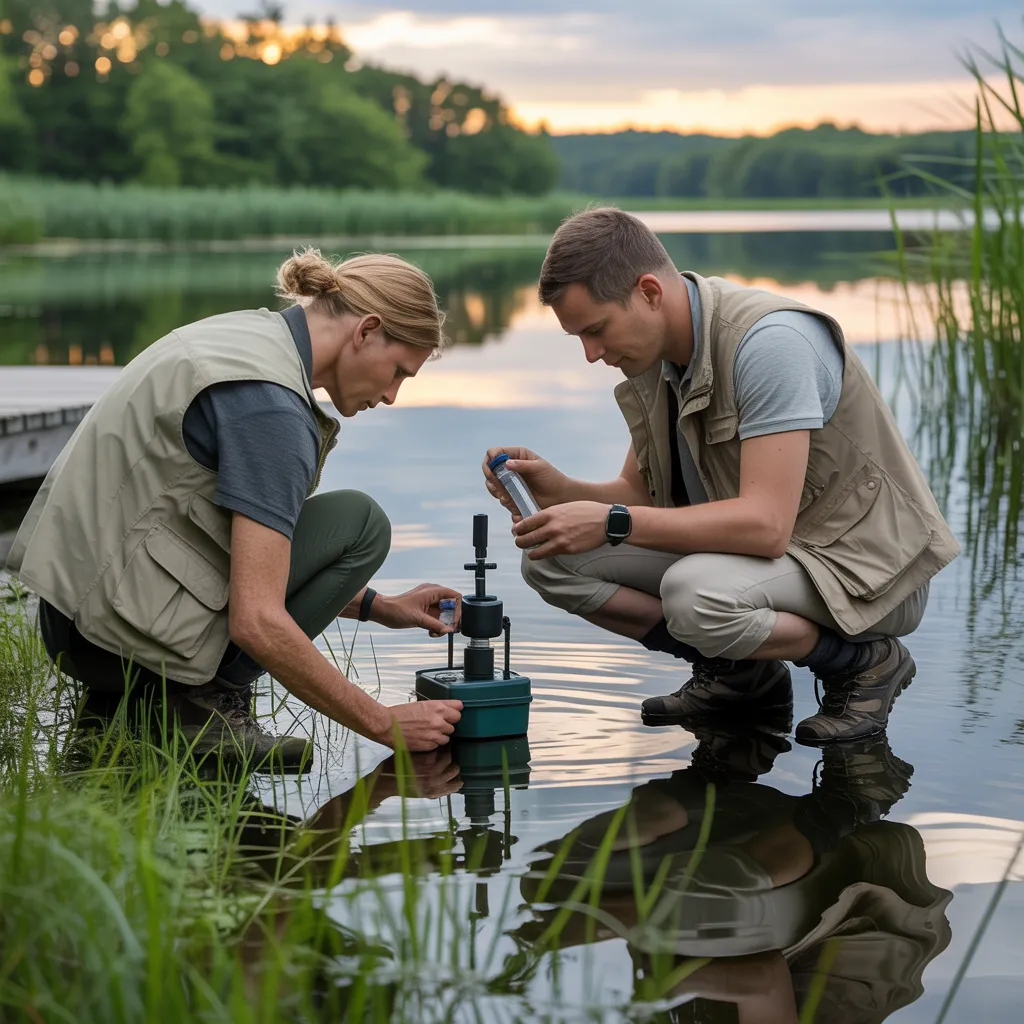
Understanding Environmental Advisory Services and Its Benefits
Understanding eco-friendly consulting services is essential for companies aiming to adopt sustainable practices. This field involves expert guidance on environmental regulations, sustainability strategies, and resource management. Sustainability experts assess a organization's business processes to identify opportunities for enhancement, guaranteeing adherence to ecological regulations and reducing ecological impact.
The benefits of engaging environmental consultants are substantial. They provide customized solutions that enhance operational efficiency, minimize waste, and decrease costs associated with resource consumption. By evaluating potential environmental risks, consultants help businesses address liabilities and improve public image. Additionally, the incorporation of sustainable practices often results in innovation and competitive edge in the marketplace.
In the long term, working alongside environmental consultants cultivates a culture of sustainability within organizations, encouraging employees to embrace environmentally responsible behaviors. Through their knowledge, businesses not only support environmental conservation but also position themselves as leaders in business accountability, attracting increasingly eco-conscious consumers.
Evaluating Your Environmental Footprint
Assessing a company's ecological impact involves recognizing key impact areas and evaluating resource consumption rates. By analyzing these elements, organizations can pinpoint where changes are required. This method not only fosters sustainability but also boosts workplace productivity.
Setting Key Bearing Parameters
Many companies ignore the critical importance of identifying key impact areas when evaluating their environmental footprint. By determining particular elements of their operations that lead to environmental degradation, companies can develop focused approaches for improvement. These key zones often include power usage, waste generation, water use, and emissions. Comprehending these elements allows businesses to rank actions that yield the most significant ecological advantages. In addition, involving stakeholders in this identification process fosters a sustainable culture within the entity. By acknowledging and addressing these key impact areas, businesses position themselves to enhance their overall sustainability, lower expenses, and meet regulatory requirements. This proactive approach ultimately supports long-term ecological and economic viability.
Measuring Resource Consumption Rates
Once key impact zones are identified, the next step involves calculating resource consumption rates to evaluate the company's ecological impact. This process demands a organized method to collect information on power, liquid, and material consumption across all activities. Utilizing tools such as power assessments, water assessments, and material flow analysis can offer understanding into consumption patterns. Organizations should also consider establishing standards to measure against industry standards or previous results. By analyzing these measurements, enterprises can identify inefficiencies and chances to decrease usage. Accurate measurement not only aids in adherence with ecological laws but also enhances company environmental initiatives. This information-based method is crucial for choosing wisely that support lasting ecological objectives.
Core Sectors for Responsible Corporate Practices
Moreover, firms can invest in renewable power sources, including solar or wind, to diminish dependence on fossil fuels. Staff involvement in green initiatives nurtures a culture emphasizing responsibility, fostering originality and commitment to environmentally responsible methods. In the end, honest communication about environmental objectives and advancements reinforces stakeholder confidence and proves accountability. By unifying these principal sectors, firms support environmental protection and strengthen their position as leaders in responsible corporate conduct, winning over green-minded shoppers.
Discovering the Ideal Green Advisor for You
Determining an environmental consultant calls for a clear understanding of a operation's distinct aims and purposes. Reviewing these necessities facilitates entities to coordinate with specialists who possess the relevant expertise and experience. This strategic approach secures that businesses make informed choices for sustainable solutions.
Analyzing Your Business Demands
When businesses understand the significance of sustainability, they often face the challenge of identifying the right sustainability advisor to satisfy their specific requirements. This process starts with a thorough evaluation of the organization's sustainability objectives, compliance standards, and current operations. Companies should evaluate their industry context, operational scale, and specific challenges, such as garbage disposal or power conservation. Involving different team members within the business can offer useful information into the priorities and anticipated outcomes of the advisory relationship. Furthermore, it is vital to define the scope of services needed, whether it be compliance, strategic planning, or education. By explicitly defining these needs, businesses can streamline the choosing procedure and guarantee a more effective collaboration with their chosen advisor.
Evaluating Consultant Expertise
How can businesses guarantee they select the appropriate sustainability advisor? Evaluating consultant expertise involves multiple important considerations. Initially, firms should assess the consultant's qualifications, including relevant certifications, education, and expertise in particular environmental sectors. Subsequently, examining past engagements and client references offers insight into the consultant's performance and dependability. Additionally, comprehending their approach to sustainability—whether they prioritize cutting-edge approaches or regulatory adherence—is essential. Interpersonal abilities also serve a significant role; a consultant must effectively communicate complicated information to different interested parties. Ultimately, consider the consultant's dedication to continuous learning and staying updated on environmental requirements and innovations. By systematically examining these aspects, organizations can make informed decisions and select a consultant most matched to their unique requirements.
Create Your Custom Green Framework
A thoughtfully developed sustainability strategy can significantly boost a business's environmental performance and operational effectiveness. This process begins with a thorough assessment of the organization's current procedures, identifying areas where improvements can be made. Main participants should be involved in this appraisal to guarantee varied viewpoints are considered.
Afterward, explicit, quantifiable targets need to be set. These targets should correspond with the broader aims of the organization while addressing sustainability concerns such as minimizing waste, power conservation, and sustainable resource management.
Moreover, it is important to implement modern strategies created to address the unique challenges of the industry. Partnering with seasoned environmental experts can supply beneficial guidance into best practices and emerging technologies.
Ultimately, a strong communication approach can develop a sustainable organizational culture within the organization, confirming that all employees recognize their contributions in accomplishing these goals. This integrated strategy ultimately positions the business as a sustainability champion.
Implementing Eco-Friendly Approaches Successfully
Effective implementation of eco-friendly initiatives demands a deliberate strategy that emphasizes clarity and purpose. Businesses must first establish clear objectives, pinpointing specific sustainability goals aligned with their overall mission. This includes involving stakeholders, including employees and suppliers, to cultivate a culture of sustainability throughout the organization.
Next, organizations should allocate resources efficiently, guaranteeing that the necessary equipment, instruction, and digital solutions are in position to support eco-friendly initiatives. Regular communication is essential, as it maintains all parties informed and motivated.
In addition, weaving in sustainability into current operations can strengthen operational performance and reduce pushback against transformation. By testing programs, organizations can measure feasibility and make adjustments before full-scale implementation.
Ultimately, a committed management group, combined with transparent processes and ongoing engagement, can significantly improve the effectiveness of eco-friendly initiatives, resulting in enduring advantages for both the company and the environment.
Monitoring Your Environmental Progress
What strategies can businesses apply to track their environmental responsibility trajectory effectively? Companies can implement a selection of resources and metrics to evaluate their environmental impact and advancements. One typical method is the adoption of performance metrics that center on power consumption, waste reduction, and carbon emissions. By creating clear targets, organizations can determine their improvements over time.
In addition, digital solutions that monitor resource expenditure and carbon emissions can provide real-time insights, enabling more informed judgment. Routine environmental audits are vital, allowing enterprises to recognize improvement opportunities and maintain compliance with regulatory requirements.
Bringing contributors within feedback channels and survey processes can considerably improve the measurement framework, encouraging a mindset of ownership and perpetual development. Finally, a comprehensive strategy to evaluating sustainability metrics allows enterprises to make informed adjustments and express their devotion to green practices.
Common Questions Asked
How Much Does Environmental Consulting Usually Price for Businesses?
Environmental consulting pricing for enterprises commonly fluctuate from $100 to $300 per hour, reliant on the firm's expertise and complexity. Fixed pricing may apply, adjusting in relation to services needed and project length.
What Qualifications Should I Look for in an Environmental Professional?
When picking an environmental consultant, you should look for qualifications such as Certified Environmental Professional (CEP), ISO 14001, or LEED accreditation, as these show expertise and dedication to sustainable practices within environmental management.
Do Small Organizations Have the Potential to Benefit From Environmental Advisory Services?
Yes, small enterprises can substantially gain from eco-friendly consulting solutions. These offerings help maximize resource efficiency, minimize waste generation, enhance compliance with regulatory requirements, and improve overall sustainability, ultimately leading to cost savings and a better public image.
How Often Should I Refresh My Eco-Friendly Strategy?
Revising a sustainability strategy should occur each year or every two years, contingent upon industry changes and company expansion. Periodic reviews guarantee synchronization with evolving regulations, client interests, and technological advancements, driving perpetual advancement and upgraded environmental performance.
What Industries Gain the Most From Environmental Consulting?
Industries like assessment manufacturing, construction, energy, and agriculture benefit substantially from environmental consulting. These sectors regularly confront legal requirements, resource control difficulties, and environmental objectives that demand skilled direction to strengthen their green performance and regulatory adherence.